
Nobody agrees where the issue sits
Operations, IT and the partner see different symptoms.
EAM Quick Audit
A focused review for teams that are not sure whether the issue is process, data, report logic, interface behavior, custom logic or ownership.
The output is a practical issue map and next-step recommendation, not a broad assessment document.
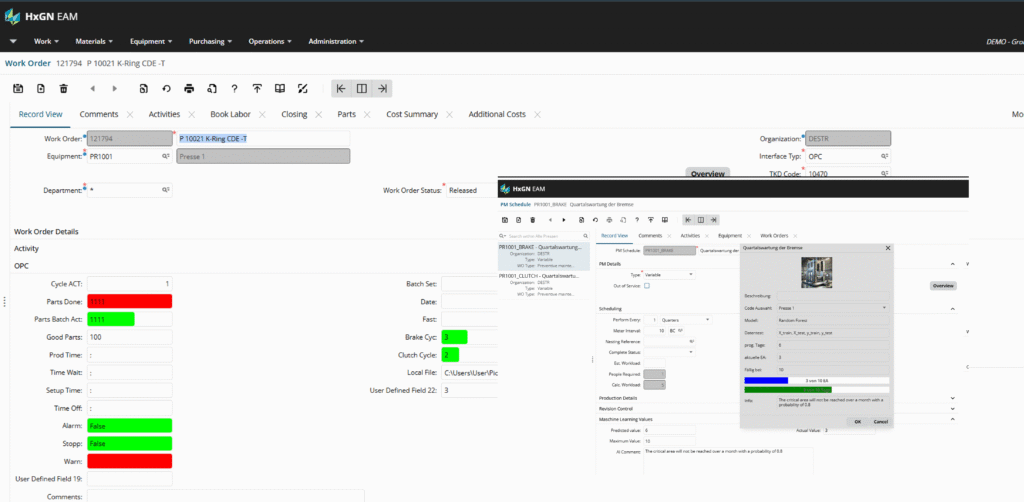
Typical starting points
Operations, IT and the partner see different symptoms.
The numbers do not match what teams see in daily work.
Status, approvals, fields or scripts behave in ways nobody can explain.
Data moves, but teams still correct records manually.
What Tiravera does
Clarify who owns data, decisions, handovers and exceptions.
Check the data fields, report assumptions and recurring mismatch patterns.
Look for risky SQL/FlexSQL, JavaScript, form logic or mapping assumptions.
Separate quick fixes, sprint candidates, data cleanup and stop decisions.
Outputs
Symptoms, likely causes, affected workflows and source systems.
Fixes, checks and deeper work sorted by practical value and risk.
Audit close-out with a clear service, sprint or no-build recommendation.
Best fit
When EAM friction affects daily work, reports or planning.
When ownership between workflow, system and interface needs clarity.
When delivery risk is rising and a specialist review would help.
Inputs needed
Problem reports, screenshots, work orders, exports or interface examples.
Systems involved, owners, known custom logic and current workaround.
Access to users who understand the workflow and report usage.
Delivery
Define the problem, systems, access, owner, deliverables and acceptance criteria. We agree effort, timing and commercial terms before work starts.
Trace representative records and the current workflow. An audit delivers an issue map and priorities; implementation is scoped separately when the findings call for it.
Implement the agreed change or pilot. Check expected and actual results across normal, difficult and exception cases with the people who use the workflow.
Hand over the change record, test evidence, operating notes and remaining risks. Agree ownership and whether to deploy, harden, integrate or stop.
Describe the workflow, share an example and say what should improve. The first 20-minute conversation is free; we agree the scope before paid work starts.